Bosnia and Herzegovina
Bosnia and Herzegovina - Cooking and Food
Although Bosnia and Herzegovina reunites three major ethnical groups the preparation methods of cooking and the cuisines are mostly the same. Being a Balkan country, Bosnian cuisine are mainly dishes made out of meat particularly Beef, and Lamb. Still, traditional so-called vegetarian dishes like beans or Grah are cooked.
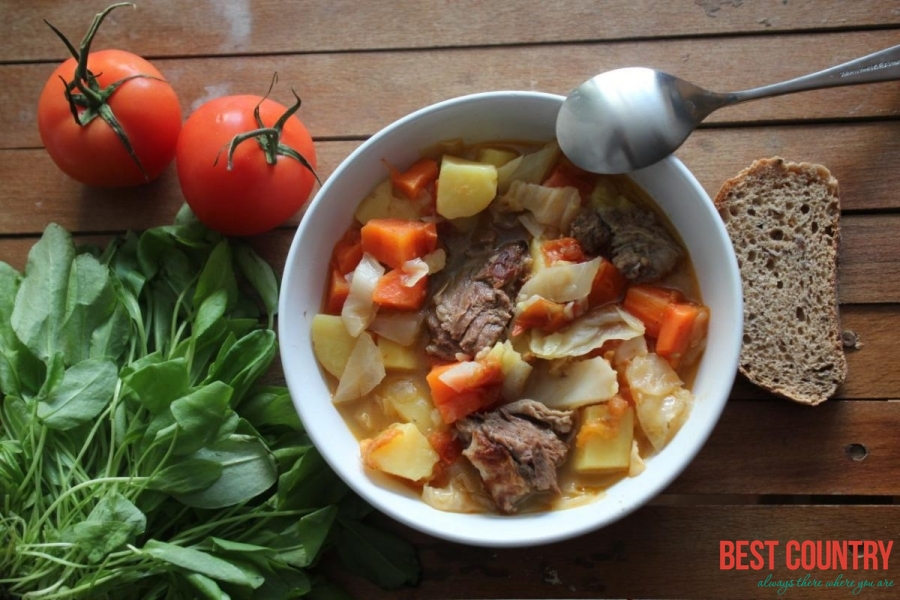
Bosnia and Herzegovina - Cooking and Food
Although Bosnia and Herzegovina reunites three major ethnical groups the preparation methods of cooking and the cuisines are mostly the same. Being a Balkan country, Bosnian cuisine are mainly dishes made out of meat particularly Beef, and Lamb. Still, traditional so-called vegetarian dishes like beans or Grah are cooked.
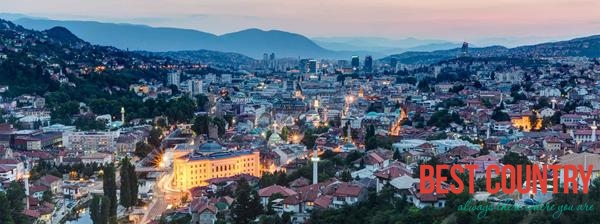
Sarajevo is the capital of Bosnia and Herzegovina
Sarajevo is the capital and largest city of Bosnia and Herzegovina, with an estimated population of over 311,161 people within its administrative limits.