Cameroon
Subdivisions of Cameroon
The constitution divides Cameroon into 10 semi-autonomous regions, each under the administration of an elected Regional Council. A presidential decree of 12 November 2008 officially instigated the change from provinces to regions.
Education in Cameroon
Education is free in state schools and compulsory between ages 6 and 12. Government funds are available to mission and private schools. Most secondary schools have been made bilingual, with instruction in both French and English. Working alongside the public schools are the missionary schools, which have been extremely important in the history of Cameroonian education. As of 1999, public expenditure on education was estimated at 2.6% of GDP.
Festivals and Events in Cameroon
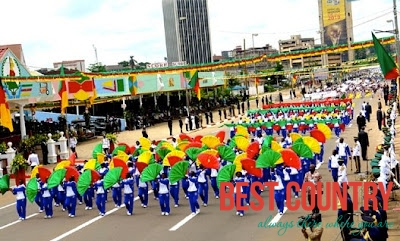
There are various festivals in Cameroon that are celebrated with enthusiasm! Some of the important festivals in Cameroon are Ngondo Festival, Nyem-Nyem Annual Festival and Medumba Festival apart from the usual ones like New Year’s Day, Labour Day and Easter including some of the local events like Youth Day on February 11, National Day on May 20 and Sheep Festival on August 15.