Estonia
Wedding Traditions in Estonia
Estonia must be the world leader in wedding traditions! Many are completely incomprehensible to the outsider (or even the insiders).
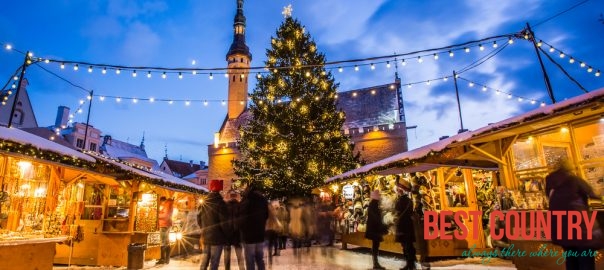
Public holidays in Estonia
There are no many holidays to celebrate in Estonia. The ones we have here are mostly international or ones involving our independency! Nonetheless, we are always happy here to get a day off when a bank holiday appears and trying to take it as a little surprise. There are 12 such 'surprises' a year!
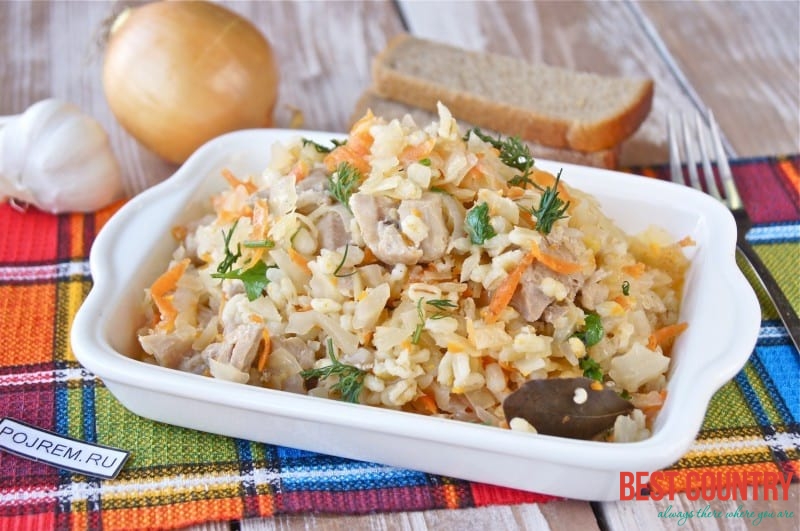
Estonian cuisine
The different historical rulers of the region - Danes, Swedes, Germans and Russians - have influenced Estonian traditional cuisine over the centuries.Modern cuisine, eating habits, food, and ways of cooking are similar to those in other Nordic countries.