Libya
Climate of Libya
Within Libya as many as five different climatic zones have been recognized, but the dominant climatic influences are Mediterranean and Saharan.
Administrative divisions of Libya
Historically the area of Libya was considered three provinces (or states), Tripolitania in the northwest, Barka (Cyrenaica) in the east, and Fezzan in the southwest. It was the conquest by Italy in the Italo-Turkish War that united them in a single political unit.
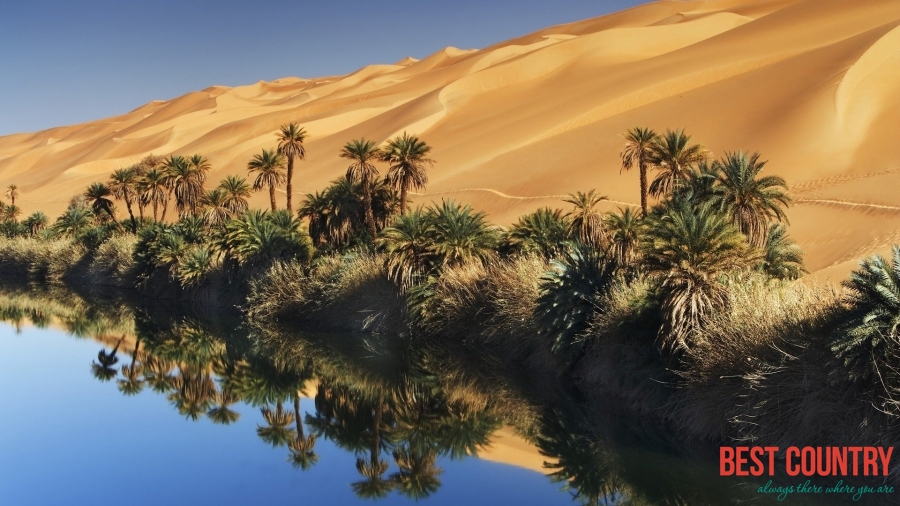
Climate of Libya
Within Libya as many as five different climatic zones have been recognized, but the dominant climatic influences are Mediterranean and Saharan.