Burkina Faso
Population of Burkina Faso
The population of Burkina Faso grows at a rate of 2.997% every year according to the 2007 estimates of CIA. According to the same source, the population of Burkina Faso is 14,326,203 in 2007.
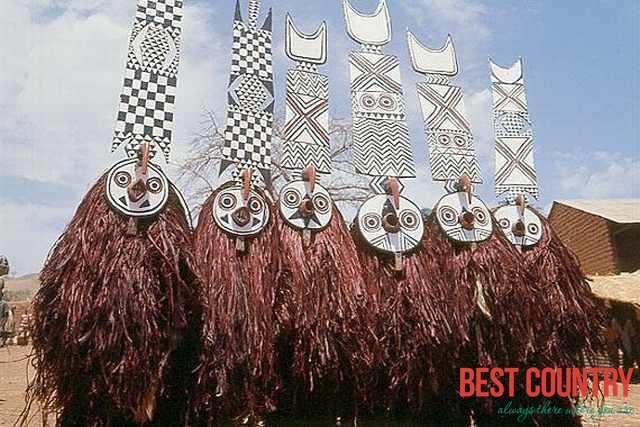
Festivals and Events in Burkina Faso
The southwest region has a rich tradition of folklore. If you visit Ougadougou, don’t miss the traditional drama "Nabayius Gou" (literally meaning, the empire goes to war) held every Friday at 0600. A tearful wife and his subjects restrain the magnificently attired emperor setting off for war with his brother. Festivals of singing, dancing and traditional music, mark the end of Ramadan, the Muslim month of fasting.
Population of Burkina Faso
The population of Burkina Faso grows at a rate of 2.997% every year according to the 2007 estimates of CIA. According to the same source, the population of Burkina Faso is 14,326,203 in 2007.