Lithuania
New Year in Lithuania
New Year in Lithuania is celebrated with much pomp and splendor. The major cities of Lithuania including Vilnius, Palanga and Klaipeda celebrate New Year in Lithuania in high spirit of merrymaking. One of the major festivals and events celebrated in Lithuania is New Year.
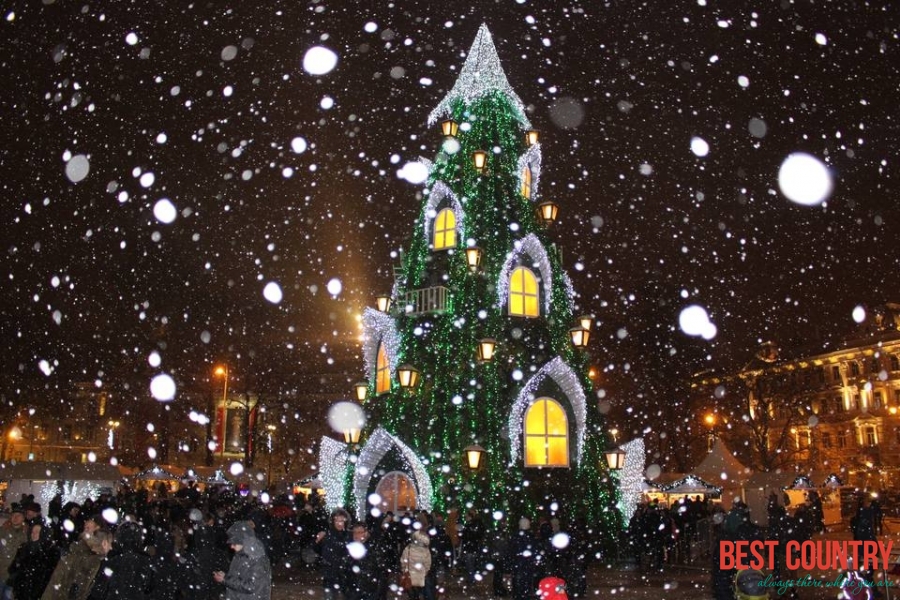
Christmas in Lithuania
Lithuanian folk tradition treats the Christmas season as a time of religious mystery and folk magic. In past times Lithuanians associated many old superstitions and folk charms with the season. Though no longer taken seriously these magical formulas may still be practiced as a form of entertainment.

Healthcare in Lithuania
Lithuania provides free state-funded healthcare to all citizens and registered long-term residents. Private healthcare is also available in the country. The standard of healthcare in the country needs investment, but medical staff are well qualified, with Lithuania’s cardiologists being the most advanced in the former Soviet bloc.