Overview of Tibet
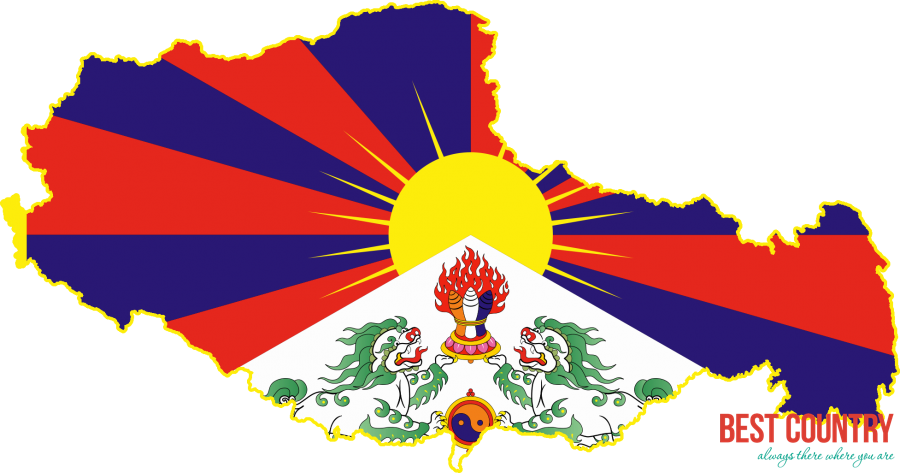



Tibet is a plateau region in Asia, north of the Himalayas. It is the traditional homeland of the Tibetan people as well as some other ethnic groups such as Monpas, Qiang, and Lhobas, and is inhabited by considerable numbers of Han and Hui people. Tibet is the highest region on earth, with an average elevation of 4,900 metres (16,000 ft).
Tibet emerged in the 7th century as a unified empire, but it soon divided into a variety of territories. The bulk of western and central Tibet were often at least nominally unified under a series of Tibetan governments in Lhasa, Shigatse, or nearby locations; these governments were at various times under Mongol and Chinese overlordship. The eastern regions of Kham and Amdo often maintained a more decentralized indigenous political structure, being divided among a number of small principalities and tribal groups, while also often falling more directly under Chinese rule; most of this area was eventually incorporated into the Chinese provinces of Sichuan and Qinghai. In 1951, following a military conflict, Tibet was incorporated into the newly established People\'s Republic of China and the previous Tibetan government was abolished in 1959. Today, the PRC governs western and central Tibet as the Tibet Autonomous Region while eastern areas are mostly within Sichuan and Qinghai provinces. There are tensions regarding Tibet\'s political status and dissident groups are active in exile.