Angola
Angolan Coffee
Angola was one the world’s fourth largest coffee producer. In 1975-1976, the country was producing one million bags of coffee annually.
Alcoholic beverages of Angola
Various homemade spirits are made, including capatica (made from bananas, a Cuanza Norte specialty), caporoto (made from maize, a Malanje specialty); cazi or caxipembe (made from potato and cassava skin); kimbombo (made from corn), maluva or ocisangua (made with palm tree juice, sometimes described as "palm wine," a Northern Angola specialty), ngonguenha (made from toasted manioc flour), and ualende (made from sugarcane, sweet potato, corn, or fruits, a Bie specialty).
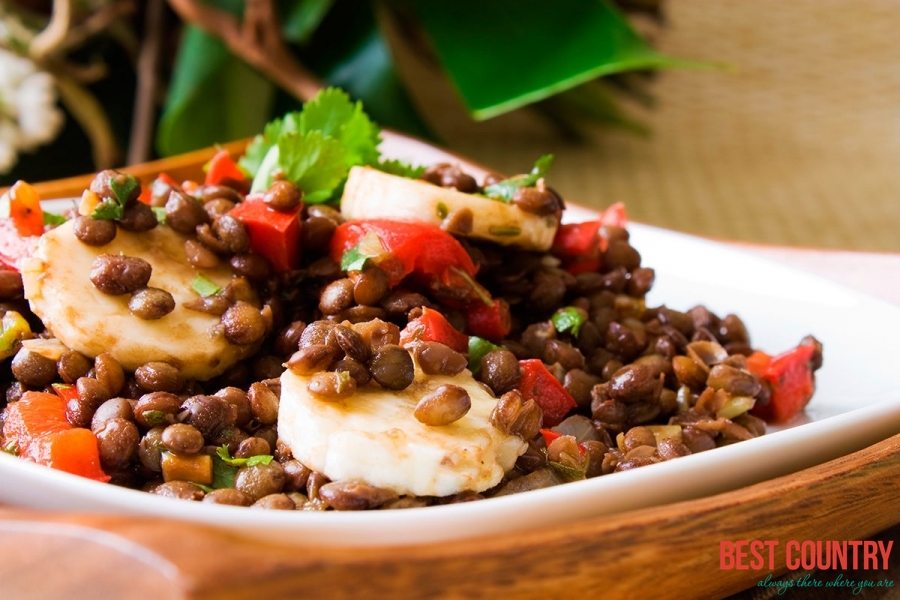
Angola Cuisine
As a Portuguese colony for centuries, Angolan cuisine bears Portuguese influences. For instance, the Angolans’ use of certain spices and methods of cooking were greatly influenced by Portugal. Still, other European and Asian cuisines have also left a mark in Angola’s culinary culture.